
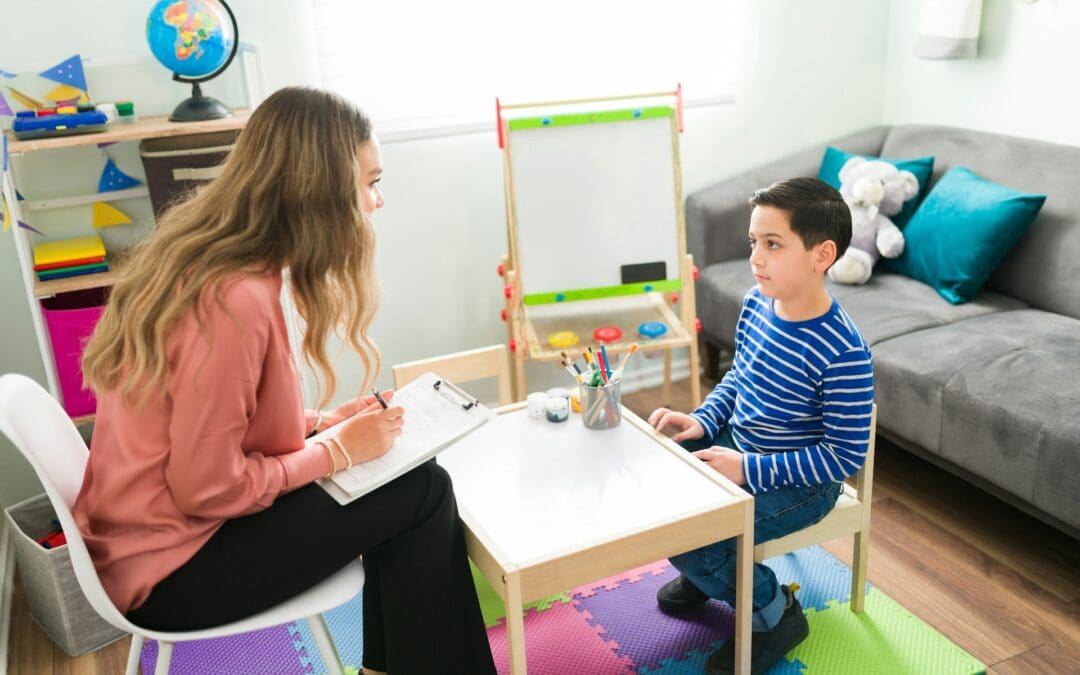
It is normal for kids to have ups and downs. But for parents in Lafayette, it is not always clear when a rough patch turns into something more. The holidays especially can stir big emotions in children. Some bounce back quickly. Others seem stuck in moods that do not lift, no matter how much support they get at home. That is when it might help to talk with someone trained to understand those patterns. A therapist in Lafayette LA can give families the space to slow down, notice what is happening, and figure out next steps.
This time of year can be tricky. Between school stress, changes in routines, and family expectations, kids can feel overwhelmed. When they do not have words for those feelings, they act them out in other ways. It is easy to wonder, is this just a phase? Or is this something deeper? There is no simple answer, but knowing what to watch for can help.
When Mood Shifts Last Longer Than Expected
Kids change quickly, and so do their moods. But when a child has been sad, withdrawn, irritable, or anxious for more than a few days at a time, it is worth paying closer attention. Sometimes, feelings start with something small and fade with rest, school breaks, or a change in routine. Other times, they dig in and show up across home, school, or social situations.
These are some signals that it is more than a rough patch:
– Unexplained sadness or moodiness that lingers
– Anger or frustration that shows up often and feels intense
– Long periods of fear or worry, even during calm situations
It helps to look beyond what kids are doing and ask what is going on underneath. Have there been shifts at home? Grief after a loss? Trouble with a teacher or friend? Emotional stress does not always show up all at once. It builds quietly, and often, by the time mood changes are obvious, kids have been carrying things alone longer than anyone realized.
Signals That Go Beyond “Just Being a Kid”
Kids have their quirks. Some are shy. Others are loud or sensitive. But when certain patterns begin to affect daily life, it could point to something worth checking out.
Some easy-to-miss signs include:
– Complaints of stomachaches or headaches with no clear medical cause
– Trouble falling asleep or staying asleep
– Avoiding school or not wanting to join usual activities
Friendships matter too. If a child suddenly avoids friends or classmates, or seems lonely most days, that can be telling. So can acting “too” okay—kids who hold things in might act like everything is fine but are struggling inside.
Watch for stepping back from activities they loved, like sports, art, or family games. Changes like that—especially when paired with sleep issues or withdrawal—should not be brushed off.
How Family Dynamics Can Add to the Struggle
Even in calm homes, kids sense more than adults think. In close-knit places like Lafayette, families stay connected through holidays and gatherings. This can bring both joy and pressure. When something changes—like divorce, illness, or financial stress—kids notice. They may become extra helpful or quiet, or they might act out.
It is not just the big events. Unspoken tension at home affects a child’s sense of safety. Regardless of what is said aloud, kids watch and feel the energy in the room. If adults keep emotions hidden, children might carry the weight themselves, unsure of where they fit.
Many parents say, “We kept it private.” The truth is, even if nothing is said, kids feel shifts in presence and tone. When big emotions are unaddressed, children can feel lost or start blaming themselves.
In families where silence is common, children may stop asking for help. That quiet pressure makes it even harder for them to open up—even when they truly need it.
Therapists at Camos Therapy are experienced at helping children and families in Lafayette talk through emotional and behavioral changes, offering support for both kids and parents during stressful times.
When It’s Time to Speak with a Professional
It is not always easy to tell when outside support is needed. One helpful question is: Is your child’s stress making daily life harder? If problems at home, school, or with friends keep building and your usual support does not help, it might be time for another layer.
A therapist in Lafayette LA offers a neutral space for kids to explore their feelings. Kids do not have to “be okay” or protect someone else’s feelings in session—the focus is only on their experience. Therapy helps them name and understand their emotions, giving them tools to manage tough times.
Seeking therapy does not mean something bad is happening. It means your child’s emotions are important. Getting support early often gives kids skills they will use for years—learning to speak up, sit with hard feelings, and work toward growth with confidence.
Therapists at Camos Therapy provide sessions in both English and Spanish, which can be especially important for families who want their child’s experience to feel comfortable and connected.
Building Emotional Strength One Step at a Time
Healing is gradual. Steady support, real conversation, and simple skills add up over time. A child may start therapy quiet or unsure, and slowly become more open or assertive. They might learn to say, “I feel sad today” or “That made me lonely,” and that is a big step.
Families benefit too. Parents can learn ways to support without fixing and respond to struggles with patience and understanding. Children’s challenges often reflect family patterns, and when adults join the process, everyone grows stronger together.
One of the biggest strengths in any family is asking for help. It shows hope, and a desire to move beyond tough seasons—not only during December but in all the months to come.
The Quiet Value of Paying Attention
When kids struggle, it does not always look like loud outbursts. Sometimes it is a skipped dinner, a lost interest, or a quiet sigh at bedtime. Parents often wonder: Should I wait? Will it pass? Sometimes it does, but sometimes it does not, and that is difficult.
Early attention makes change possible before old patterns get deep. It opens conversation, slows reactions, and lets kids know it is safe to share. Whether the worry is big or still forming, listening is the first step. And when that leads to hope, everything can start to shift for the better.
At Camos Therapy, we know how hard it can be to figure out what your child needs during stressful seasons. When emotions start to affect everyday life, early support can help kids feel safer, more understood, and more resilient. Our approach focuses on creating a space where families in Lafayette can pause and really hear one another. Wondering whether it’s time to talk with a therapist in Lafayette LA? We’re here to listen and help you take that first step.
Recent Comments